What Clark Terry Can Teach Jazz Guitarists About Swing, Phrasing, and Actually Sounding Like Music
Jan 15, 2026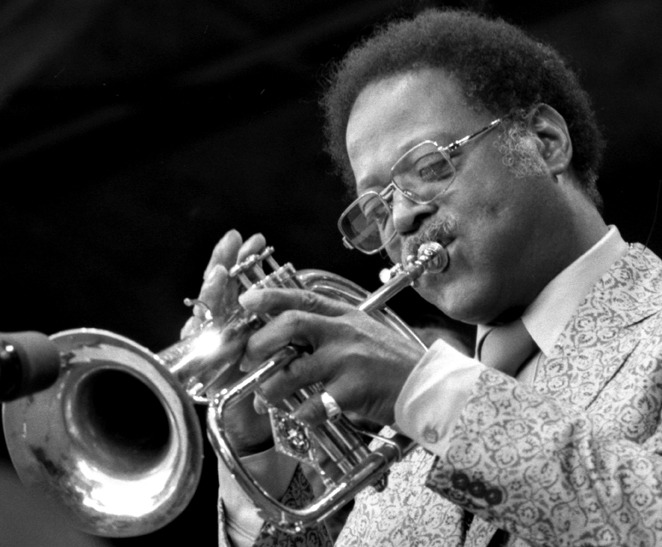
Most jazz guitarists don’t have a theory problem.
They have a language problem.
They know the scales. They know the chords. They might even know the substitutions.
But somehow… it still doesn’t sound like music.
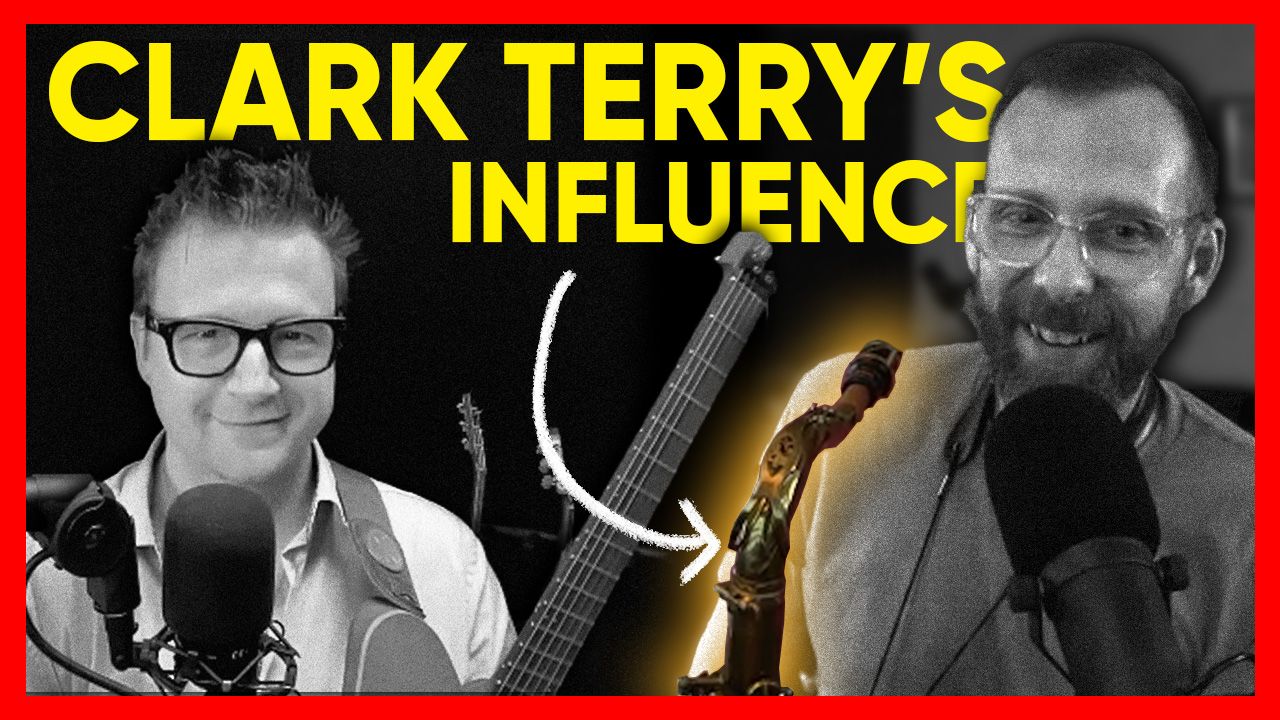
That’s exactly why my recent conversation with Nick Manila—saxophonist, educator, and longtime student of the great Clark Terry—hit so close to home.
Because Clark Terry’s approach to improvisation had almost nothing to do with chord–scale charts… and everything to do with sounding human.
Let’s dig into what jazz guitarists can steal from Clark Terry—and why this mindset might be the missing link in your playing.
Clark Terry Didn’t Teach Theory — He Taught People How to Play
One of the most striking things Nick shared was this:
Clark Terry never sat anyone down and explained theory.
Instead, he did something much scarier.
He said: “Let’s play,” and that was the lesson.
Students learned by osmosis. By standing next to him. By absorbing his phrasing, his articulation, his time feel.
This is jazz in its purest form.
Not: “Here’s the scale for this chord.”
But: “This is how the music talks.”
As guitarists, we often want to unpack everything before we play it.
Clark Terry flipped that completely.
He played first.
Then — maybe — he unpacked it later.
That’s a huge mindset shift.
The Melody Is Not a Formality
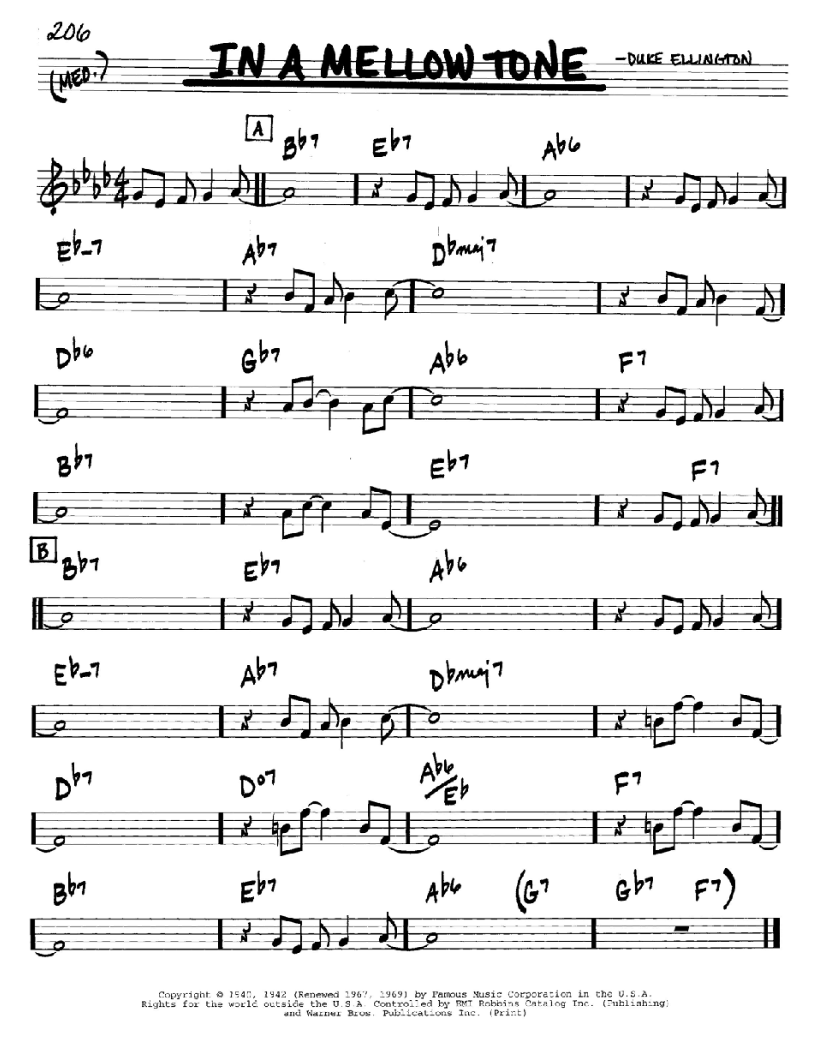
One tune came up again and again in the conversation: “In a Mellow Tone.”
Clark loved this tune.
He played it constantly.
And when he played the melody… it wasn’t a throwaway.
It wasn’t: “Okay, let’s get through the head so I can solo.”
The melody was the music.
Nick described hearing Clark play the melody and thinking:
“He could have stopped right there and you’d walk home happy.”
That’s a powerful reminder.
If your solo doesn’t sound good…
Chances are your melody doesn’t sound good either.
For guitarists, this is huge.
Before worrying about substitutions, ask:
-
Can I make the melody feel good?
-
Can I phrase it like I’m speaking?
-
Can I make it swing with no extra notes?
If not, the solo doesn’t stand a chance.
Learn the Tune First. Analyze It Later.
Nick shared a great story about playing “In a Mellow Tone” without knowing the changes.
No warning. No chart. Just… play.
So what do you do?
You rely on:
-
Your ears
-
The melody
-
Time feel
-
Articulation
Only later do you realize:
“Oh… that phrase outlines a D♭maj7.”
That’s the key idea.
Theory didn’t disappear.
It just showed up after the music already made sense.
That’s exactly how we learned to speak as kids.
You didn’t study grammar first.
You talked.
Jazz works the same way.
The Doodle System: Why Articulation Matters More Than Notes
Clark Terry famously developed what he called the Doodle Tonguing System.
On the surface, it sounds almost silly:
“Doodle doodle, little ladle…”
But there’s real genius underneath.
The goal wasn’t trumpet technique.
The goal was natural articulation.
Here’s why this matters for guitarists:
Most players articulate like this: ta ta ta ta ta
Which leads to:
-
Choppy eighth notes
-
Harsh attacks
-
No swing
Clark’s syllables automatically:
-
Connect notes
-
Soften attacks
-
Create forward motion
In other words…
They make things swing without thinking about swing.
That’s gold.
Try this:
-
Sing a phrase first
-
Make it groove
-
Then find it on the guitar
Don’t worry what scale it is.
Worry whether it sounds alive.
One Note Can Beat a Thousand
One of my favorite moments from the conversation was this story:
Clark Terry played two choruses on one note.
And it completely destroyed everyone else on the bandstand.
Why?
Because:
-
The time was deep
-
The articulation was perfect
-
The phrasing made sense
That’s a hard pill to swallow.
But it’s true.
You can play:
-
All the right extensions
-
All the hippest substitutions
And still say nothing.
Jazz doesn’t reward information.
It rewards feel.
Swing First. Everything Else Later.
This might be the biggest takeaway of all.
Clark Terry taught:
You don’t have to put everything together at once.
Focus on:
-
Time
-
Articulation
-
Phrasing
The rest will catch up.
I’ve seen this again and again with students.
The players who swing early?
They eventually learn the theory.
The players who front-load theory?
Often never learn to swing.
That’s not an accident.
Final Thought: Jazz Is a Language, Not a Spreadsheet
Clark Terry represents something we’re in danger of losing:
Jazz as a living language.
Not a checklist.
Not a PDF.
A sound.
A feel.
A way of speaking through your instrument.
So the next time you practice, try this:
-
Play the melody like it matters
-
Sing before you analyze
-
Make one note feel incredible
Do that…
And the theory will start making sense on its own.
That’s the Clark Terry way.
— Marc
JazzGuitarLessons.net
LIKED THIS LESSON? HERE’S THE ROADMAP.
The Pinnacle Method shows you what to practice, and in what order, to start playing real standards. Free, and short on purpose.
Written by