How to Make Your Blues Lines Sound More “Jazzy” (Without Learning 100 New Scales)
Mar 02, 2026If you come from a blues background, you’ve probably experienced this:
You’re playing the right notes…
Your phrasing feels solid…
But somehow it still doesn’t sound jazzy.
It’s a frustrating place to be.
Blues and jazz share a lot of DNA, but rhythm, phrasing, and note choices give jazz its distinct personality. The good news? You don’t need to overhaul your playing. A few small shifts can make a big difference.
Let’s go through three simple ways to “jazz up” your blues playing starting today.

1. Make Eighth Notes Your New Best Friend
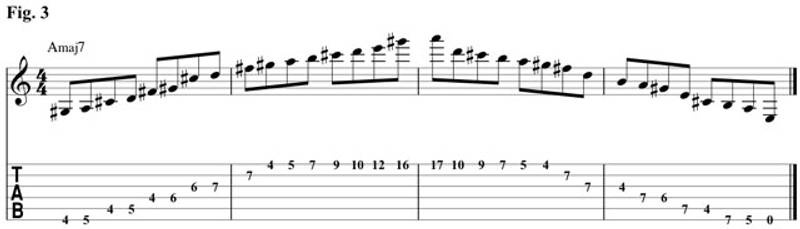

One of the biggest differences between blues and jazz isn’t harmony—it’s rhythm.
Blues phrasing often leaves more space and leans heavily on bends, triplets, and call-and-response ideas. Jazz lines, on the other hand, tend to flow continuously, often built from streams of eighth notes.
Think of it like this:
-
Blues phrasing can feel like speaking in short sentences.
-
Jazz phrasing often feels like long, flowing paragraphs.
Try This
Next time you pick up the guitar:
-
Play over a blues backing track.
-
Limit yourself to mostly eighth notes.
-
Even use the blues scale—don’t worry about changing notes yet.
You’ll notice something interesting:
Just changing the rhythm already starts shifting the sound toward jazz.
Notation Idea for Your Practice
Write a chorus of blues scale lines using only eighth notes.
Then add swing feel and articulation.
That alone is a powerful exercise.
2. Mix Major and Minor for Instant Color
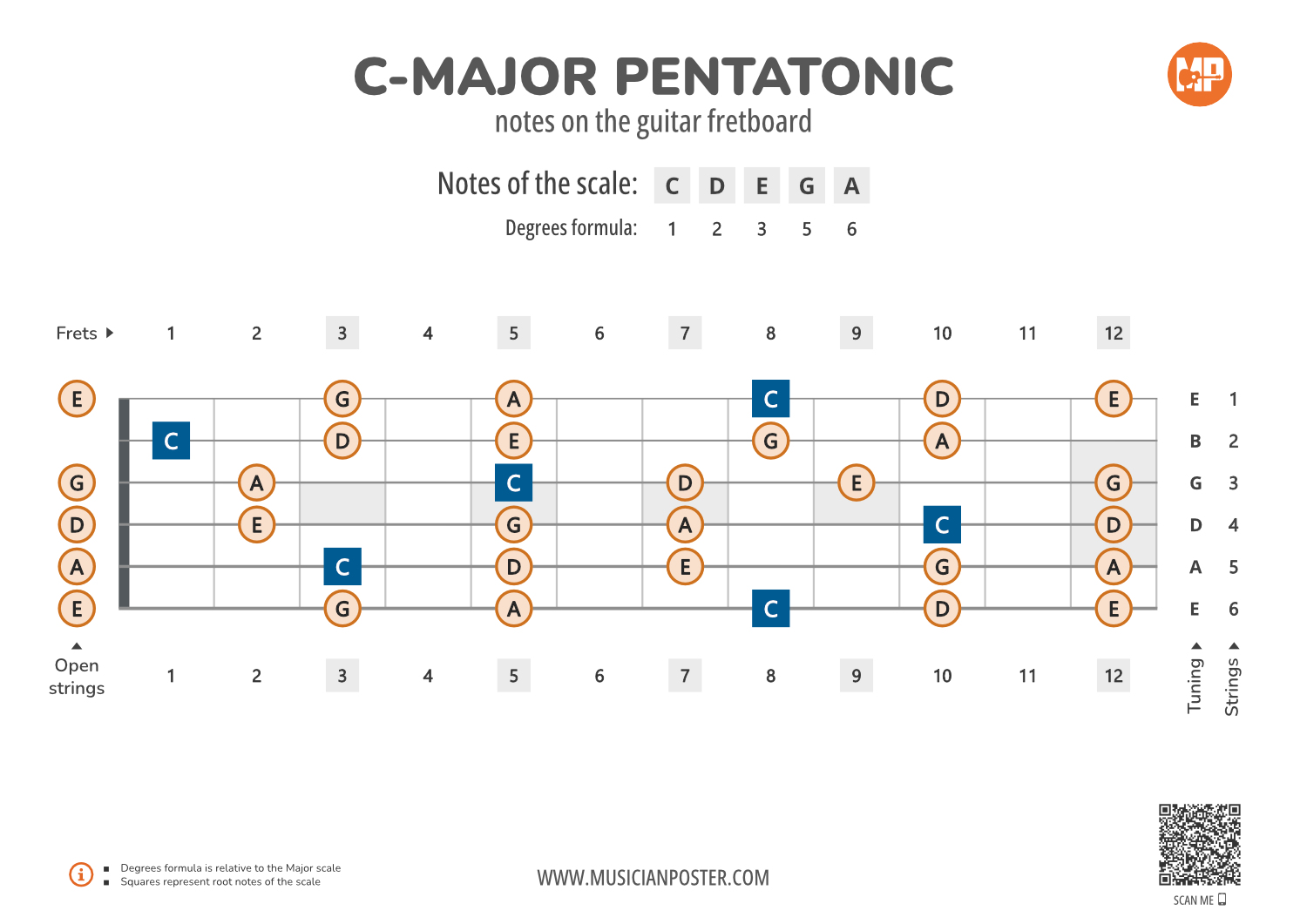
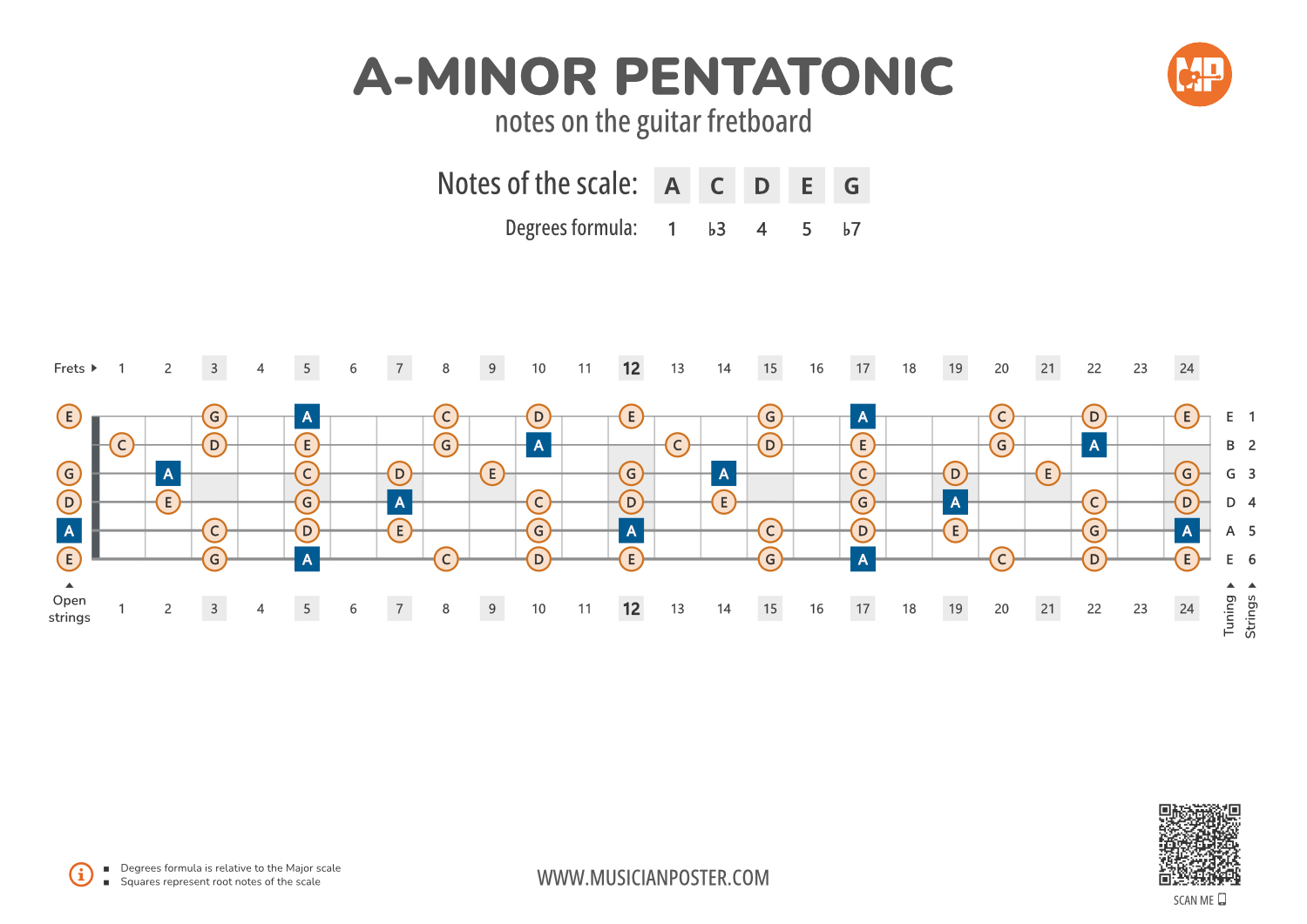

If you only take one idea from this article, take this one.
Blues players often live in the minor pentatonic. Jazz and more sophisticated blues styles mix major and minor sounds constantly.
That contrast creates motion and emotional depth.
Example in a Bb Blues
Try this approach:
-
First few bars: Bb major pentatonic
-
Later in the chorus: Bb minor pentatonic
You’ll feel the mood shift immediately.
It’s like turning the lighting slightly warmer or cooler in a room—the space is the same, but the feeling changes.
Players like Wes Montgomery, Grant Green, and George Benson all use this approach constantly.
Practice Idea
Take a 12-bar blues and assign:
-
Major pentatonic for bars 1–4
-
Minor pentatonic for bars 5–8
-
Mix freely for bars 9–12
This builds awareness and control over the color of your lines.
3. Use the II-V as Your Jazz Gateway
Most blues forms contain a II-V progression somewhere, and this is the perfect place to introduce jazz vocabulary.
You don’t need to sound like Charlie Parker overnight.
Just one well-placed jazz lick can transform the sound of an entire chorus.
A Simple Starting Lick
Over Cm7 → F7 → Bb7:
Try this idea:
-
Start on Eb (the minor third of Cm7)
-
Descend a Cm7 arpeggio
-
Resolve to A (the third of F7)
-
Then land smoothly on Bb
That strong resolution is what makes it sound jazzy.
Bonus Tip
Try adding a b9 on the F7 for extra tension.
Even a single altered note can dramatically change the flavor.
Practice Idea
Write or transcribe:
-
3 licks over minor chords
-
3 licks over dominant chords
Then plug them into blues forms wherever a II-V appears.
This builds vocabulary in a very practical way.
Why These Tricks Work
These ideas work because they bridge—not replace—your blues language.
You’re not abandoning what you already know.
You’re enriching it.
-
Eighth notes change the rhythmic feel.
-
Major and minor mixing adds color.
-
II-V licks introduce jazz harmony in small, manageable doses.
Small changes. Big results.
That’s usually how real progress happens.
A Final Thought
Many players think sounding jazzy means learning complex scales or advanced theory first.
But in reality, the biggest transformations often come from:
-
Rhythm
-
Phrasing
-
Targeting chord tones
Master those, and everything else becomes easier.
And remember—every great jazz guitarist started somewhere between blues and jazz. That space in between? That’s where the magic happens.
LIKED THIS LESSON? HERE’S THE ROADMAP.
The Pinnacle Method shows you what to practice, and in what order, to start playing real standards. Free, and short on purpose.
Written by