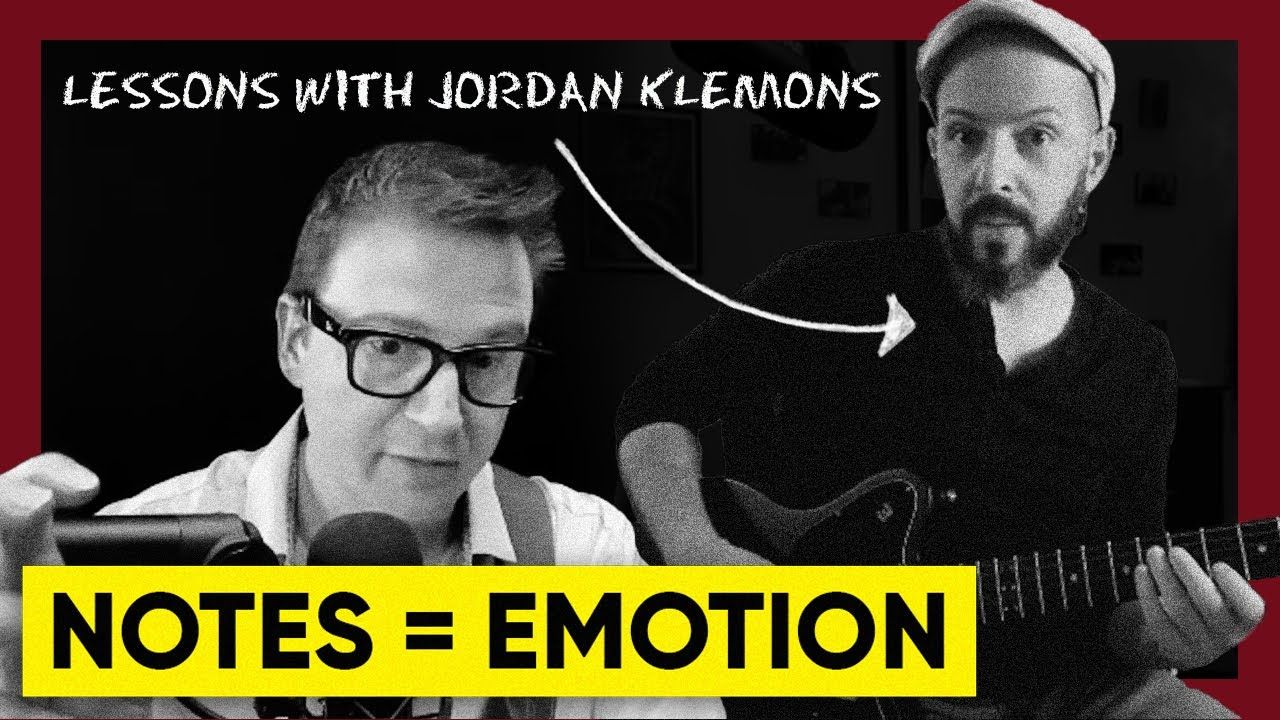
Jordan’s first pillar isn’t scales or intervals.
The goal is not theoretical recognition (“this is the 3rd” or “this is the #11”), but a visceral, emotional connection to each pitch.
Every note has a personality.
Instead of scales or 7th-chord arpeggios, Jordan builds everything from triads.
Why?
Because triads are:
A pure triad is like plain pasta—fine, but boring.
The magic happens when you add one tension note.
Quadratonic Playing: One Triad + One Tension
Jordan introduces a concept he calls Quadratonics:
A stable triad + one carefully chosen tension note
That’s it.
This creates tension and release, emotion, phrase-like melodies, and blues like language inside advanced harmony!
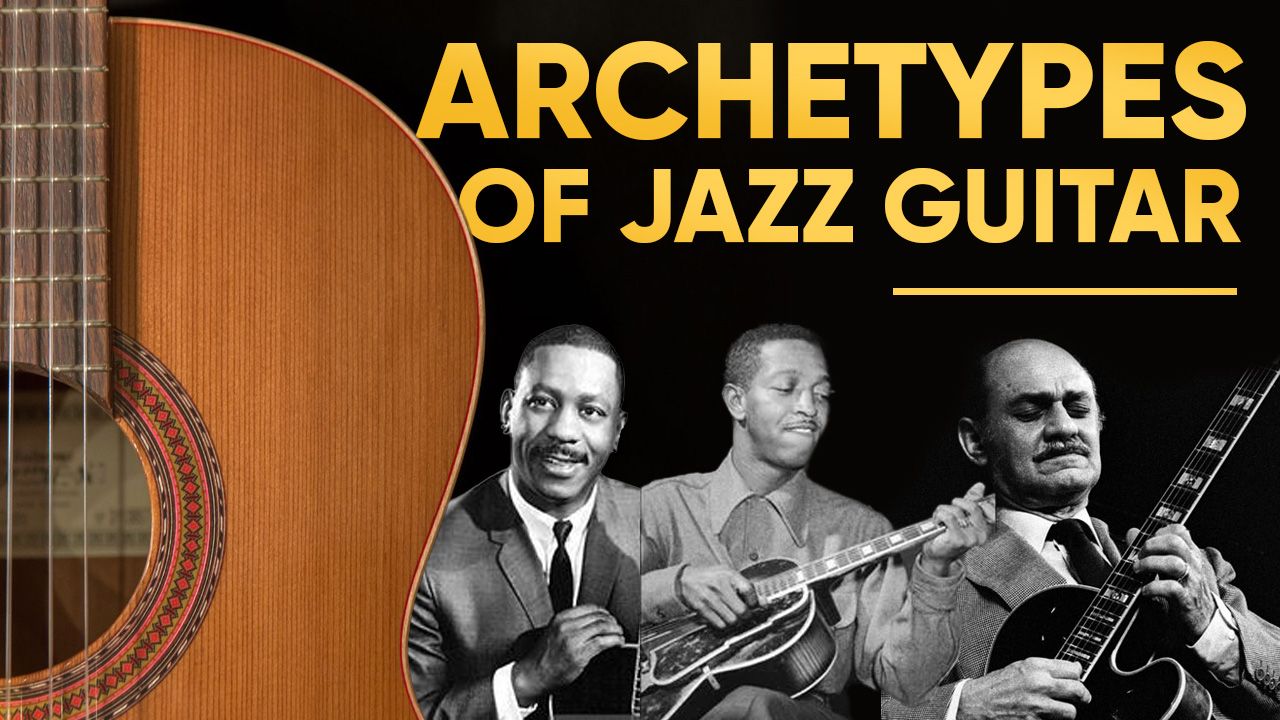
Jordan describes the 2nd (or major 9th) as a questioning sound. It doesn’t feel resolved or final, but open and curious—like a musical sentence that hasn’t found its ending yet. Players such as Wes Montgomery often used it to leave a phrase hanging, inviting a response rather than making a statement.
The flat 6 (or minor 6th) has a dark, aggressive quality. Jordan hears it as tense and angry, a sound that suggests danger or unease. It naturally creates drama and feels like it wants to pull downward toward resolution.
The sharp 4, or tritone, is one of the strongest tension notes in music. It sounds sharp, focused, and intense, often used to push a melody away from stability and create forward motion.
The natural 4th comes across as a nagging kind of tension. Over a major triad, it feels unsettled and uncomfortable, constantly wanting to resolve down to the major 3rd—less dramatic than the flat 6, but hard to ignore.
Instead of memorizing nine possible “avoid notes,” you explore one tension at a time, deeply.
This approach turns practice into a conversation, not an exercise.
Polytonality Without the Headache
A key insight Jordan shares comes from piano players, especially Bill Evans.
Pianists naturally think in two layers:
Guitarists often miss this.
Instead of thinking: “What scale fits this chord?”
Jordan suggests: “What simple triad can I superimpose melodically?”
Try using a G major triad over F7. This can sound advanced, and it's simple to play. You can even use rich extensions (9, #11, 13).
This isn’t substitution—it’s superimposition.
Nothing is replaced.
You’re just adding a second dimension.
Why the “Wrong” Notes Start Sounding Right
One of the most eye-opening ideas is this:
When your melodic center is a triad, the chord root itself can feel unstable.
That’s why:
-
“Avoid notes” start sounding expressive
-
Blue notes work inside complex harmony
-
Advanced sounds feel natural instead of forced
This explains why so much bebop language doesn’t look like scales or arpeggios on paper—but sounds perfect in context.
Pillar 2: Triad Voice Leading (Learning to Move)
If Pillar 1 is phrasing, Pillar 2 is motion.
Jazz is a moving language.
The biggest mistake guitarists make is practicing static shapes instead of flow.
Jordan’s solution is deceptively simple.
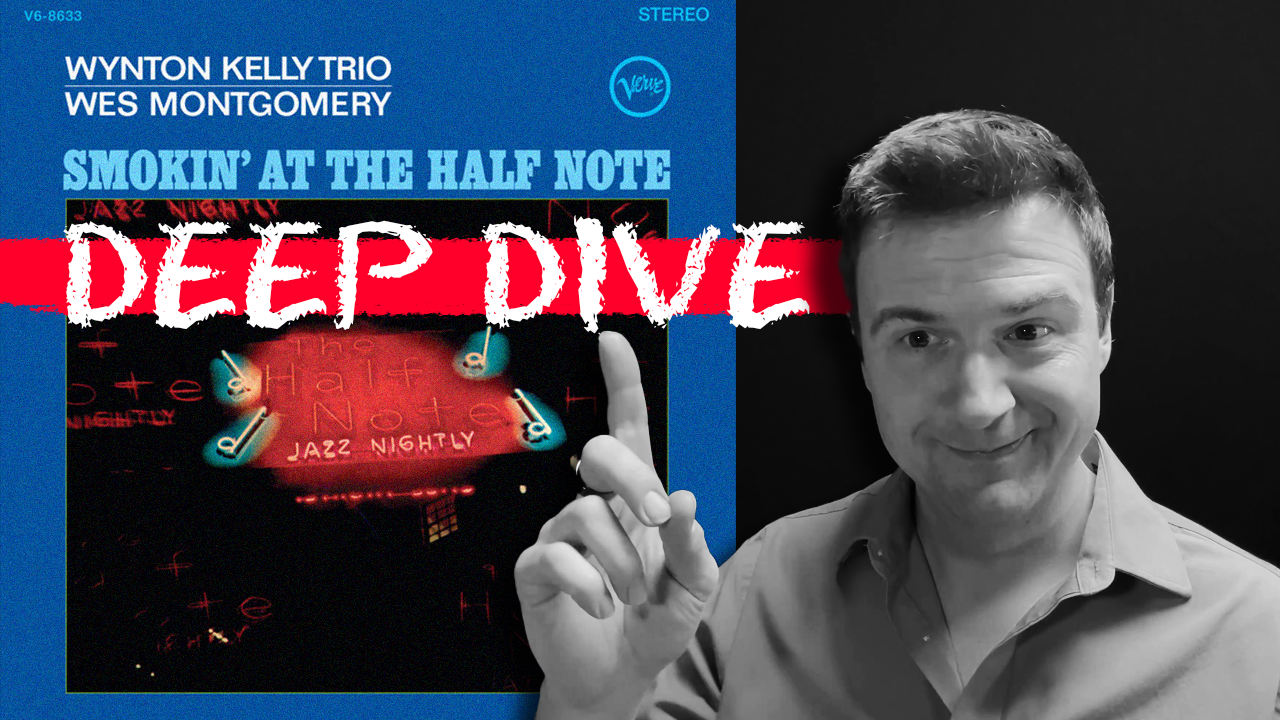
The Half-Note Game
Rules:
No licks.
No scales.
No hiding.
This forces clear hearing of harmony, efficient fretboard movement, and real voice leading.
It’s uncomfortable at first, just 2 notes per chord, but it would be like learning to ice skate without holding the wall.
But that discomfort is where real fluency begins.
Why This Works (and Why It’s Fast)
This approach works because it aligns with how music actually functions:
-
Jazz is emotion before intellect
-
Language is built from simple phrases
-
Movement matters more than information
-
Feeling guides theory—not the other way around
Jordan didn’t design this method to be clever.
He designed it to be necessary.
And that’s why it’s so effective.
Final Thought: Conversational Fluency, Not Perfection
You don’t need every scale, arpeggio nor a PhD in music theory!
You just need emotion, motion and simple structures that you can use deeply.
That’s how you stop “blanketing chords” and start speaking jazz.
If this way of thinking resonates with you, it’s worth exploring Jordan Klemons’ work further—and revisiting your own practice with fewer notes, deeper listening, and more movement.
Sometimes, less really is more. 🎸